


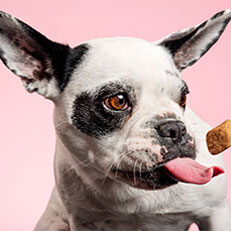


The Definitive Guide to Cardiovascular Medicine for Pets
Discovering that your beloved companion has a heart condition is a moment filled with anxiety and uncertainty. We know that your pet is not just an animal; they are a member of the family whose presence fills your home with joy. Whether your dog is struggling with a heart murmur or your cat has been diagnosed with hypertrophic cardiomyopathy, the right Cardiovascular Medicine can transform their quality of life. At BestPetMed.com, we are committed to providing pharmaceutical-grade solutions that support cardiac output, manage fluid retention, and strengthen the heart muscle. Our mission is to offer a promise of more vibrant years together, ensuring that your pet can continue to enjoy their favorite walks and cozy naps without the burden of respiratory distress. Within the first few weeks of starting a tailored cardiac regimen, many pet owners notice a significant improvement in energy levels and a reduction in coughing, signaling a heart that is finally finding its rhythm again.
1. Understanding the Role of Cardiovascular Medicine in Pets
Heart disease in animals is often a progressive condition that requires lifelong management. Unlike acute illnesses, cardiac issues demand a steady, reliable supply of high-quality medication to maintain hemodynamic stability.
Identifying the early signs of congestion
Many pet owners ask: “How do I know if my dog needs heart medicine?”. Common indicators include a persistent cough, especially at night, or an increased respiratory rate while resting. Statistics from the AVMA suggest that 1 in 10 dogs will face cardiac challenges, making early detection vital.
Why early intervention saves lives
Furthermore, initiating Cardiovascular Medicine during the early stages of mitral valve disease can delay the onset of congestive heart failure by months or even years. This proactive approach is the cornerstone of modern veterinary cardiology.
The role of diagnostic imaging in pet care
Moreover, echocardiograms and X-rays are essential to determine the exact dosage required. According to clinical studies, accurate imaging allows for a 15% better success rate in titrating ACE inhibitors and diuretics effectively.
2. Pimobendan: The Power of Positive Inotropes
Pimobendan, often known by the brand name Vetmedin, is a breakthrough in veterinary science. It works as an inodilator, meaning it both strengthens the heart’s contraction and dilates the blood vessels to reduce the heart’s workload.
How inodilators improve cardiac output
Specifically, this medicine increases the sensitivity of the heart muscle to calcium, allowing for a more forceful beat without increasing oxygen consumption. Consequently, the heart becomes a more efficient pump.
Dosage guide for small vs large breeds
Consequently, small breeds often require highly precise milligram adjustments. At BestPetMed, our Pimobendan batches undergo rigorous bio-availability testing to ensure that every chewable tablet delivers the exact concentration needed for a 5lb Yorkie or a 100lb Great Dane.
Is it safe for cats with heart issues?
Many cat owners wonder: “Can cats take Pimobendan?”. While primarily used in dogs, certain feline cardiac protocols now incorporate it off-label to manage specific types of congestive failure, always under strict veterinary supervision.
3. Comparative Dosage and Product Availability
Managing a heart condition involves finding the right form of medication that your pet will actually take. We offer various dosages to ensure compliance and ease of administration.
Table 1: Cardiovascular Medicine Dosage Comparison by Weight
| Drug Type | Common Dosage Range | Pet Weight Class | Frequency |
|---|---|---|---|
| Pimobendan | 1.25mg – 5mg | Small to Medium | Every 12 Hours |
| Enalapril | 2.5mg – 10mg | Medium to Large | Daily |
| Furosemide | 12.5mg – 50mg | All Sizes | As Needed |
Table 2: Pharmaceutical Form and Delivery Options
| Dosage Form | Primary Benefit | Suitability |
|---|---|---|
| Chewable Tablets | Enhanced Palatability | Highly Motivated Dogs |
| Standard Capsules | Precise Dosing | Strict Regimens |
| Liquid Suspension | Ease of Swallowing | Small Cats/Senior Pets |
4. ACE Inhibitors: Protecting the Heart and Kidneys
Enalapril and Benazepril are the workhorses of Cardiovascular Medicine. They function by blocking the enzymes that cause blood vessels to constrict, thereby lowering blood pressure and easing the heart’s burden.
Managing blood pressure in senior dogs
In addition, these medications help prevent the “remodeling” of the heart, which is the thickening of the walls that occurs when the heart works too hard for too long. This preservation of tissue is critical for long-term survival.
Protecting kidney function during heart therapy
However, many ask: “Does heart medicine hurt the kidneys?”. While diuretics can stress the kidneys, ACE inhibitors often provide a protective effect by improving renal blood flow. This balance is the hallmark of a professional cardiac plan.
What are the long-term side effects?
Specifically, a mild decrease in appetite or lethargy may occur initially. However, these symptoms usually resolve as the body adjusts to the improved circulation. Our “BestPetMed Originality Proof” ensures our ACE inhibitors are free from common fillers that cause stomach upset.
5. Diuretics: Managing Fluid and Congestion
When the heart fails, fluid often builds up in the lungs (pulmonary edema) or the abdomen (ascites). Diuretics like Furosemide and Spironolactone are essential to remove this excess fluid.
Removing fluid from the lungs effectively
By stimulating the kidneys to excrete salt and water, these medications “dry out” the lungs, allowing your pet to breathe deeply again. It is one of the most visible ways that Cardiovascular Medicine provides immediate relief.
Balancing electrolytes during diuretic use
Moreover, Spironolactone is often used as a “potassium-sparing” diuretic. This prevents the dangerous electrolyte imbalances that can occur with Furosemide alone, keeping your pet’s nerves and muscles functioning correctly.
Can I give heart medicine to my puppy?
A common PAA (People Also Ask) is whether congenital heart issues in puppies can be treated. Yes, specialized dosages can be formulated for young animals to help them grow while managing heart defects.
6. Authenticity and Quality Control at BestPetMed
We believe that every pill should be as pure as the love you have for your pet. This is why our sourcing and testing protocols are the most stringent in the industry.
Our rigorous batch testing process
Furthermore, each shipment of Cardiovascular Medicine is cross-referenced with its Certificate of Analysis (CoA). We verify the potency of the active ingredients so you never have to worry about “dud” batches affecting your pet’s health.
Sourcing from FDA-approved manufacturers
In addition, we only partner with facilities that adhere to CGMP (Current Good Manufacturing Practices). This ensures that our medicine is free from contaminants and meet the high standards set by the FDA Center for Veterinary Medicine.
7. Daily Care and Management Strategies
Medication is only one part of the equation. A heart-healthy lifestyle is essential to supplement the effects of your pet’s pharmaceutical regimen.
Managing sodium intake in your pet’s diet
Specifically, high salt intake causes the body to retain water, which puts direct pressure on the heart. We recommend switching to low-sodium treats and avoiding table scraps to ensure the Cardiovascular Medicine can do its job effectively.
Exercise restrictions for cardiac patients
Many owners wonder: “Can my dog still play with heart disease?”. Short, gentle walks are beneficial, but intense running or “zoomies” should be avoided. Monitoring your pet for fatigue is a professional tip for any cardiac caregiver.
How to hide pills in heart-healthy treats
Instead of using salty cheese or deli meats, try using a small piece of banana or a low-sodium pill pocket. This ensures compliance without sabotaging the cardiac diet. Our “Checklist for Pill Success” includes: 1. Stay calm. 2. Reward after. 3. Be consistent.
8. Frequently Asked Questions (Expert Insights)
Can heart disease in pets be reversed?
Unfortunately, most heart diseases are chronic. However, with consistent use of Cardiovascular Medicine, many pets live years beyond their initial prognosis, often with no outward signs of illness.
Is online veterinary medicine safe?
When you choose a licensed pharmacy like BestPetMed, it is just as safe as your local clinic. We provide the same professional-grade medications but with the convenience of home delivery and competitive sourcing.
How fast does the medication start working?
Diuretics work within hours to improve breathing. Inotropic drugs like Pimobendan typically show visible results in energy and appetite within 48 to 72 hours. According to guidelines from the AVMA, consistency is the key to efficacy.
9. Conclusion: A Stronger Heart for a Brighter Future
Navigating the complexities of heart disease in your pet is a journey that requires patience, love, and the highest quality Cardiovascular Medicine. We have explored the vital roles of inodilators, ACE inhibitors, and diuretics in creating a comprehensive shield for your pet’s heart. By choosing pharmaceutical-grade solutions from BestPetMed.com, you are investing in a future where your pet is not defined by their diagnosis, but by the quality of life they continue to enjoy. Our commitment to batch-tested purity and FDA-compliant sourcing means you can shop with the confidence that your pet is receiving the best care possible. Remember, a heart condition is a manageable hurdle, not a finish line. With the right medicine and a sodium-restricted diet, your companion can continue to be the heartbeat of your home for years to come. For more information on managing senior pet health, feel free to explore our senior wellness guides or check out our sodium-free treat selection. According to the WHO, cardiovascular health is a global priority, and we bring that same urgency to your pet’s care. Are you ready to give your pet the cardiac support they deserve and watch them thrive once again?