
Neurology & Behavioral Health: A Scientific Approach to Your Pet’s Wellness
Watching your beloved pet struggle with a sudden seizure or debilitating anxiety is one of the most heart-wrenching experiences a pet owner can face. We understand the deep emotional bond you share with your companion, and the fear that arises when their mind or nervous system seems out of balance. Whether it is the frantic pacing during a thunderstorm or the complex management of epilepsy, Neurology & Behavioral Health is a field where precision and empathy must meet. At BestPetMed.com, we are committed to providing you with the highest quality pharmaceutical solutions and clinical insights. Our promise is to help you navigate these complex conditions with clarity, offering a path back to stability, comfort, and the joy of a healthy, happy pet.
1. The Delicate Balance of the Central Nervous System
The pet’s brain is a sophisticated network of neurons and neurotransmitters. When this balance is disrupted, it manifests as either neurological disorders (physical symptoms like tremors) or behavioral issues (emotional symptoms like aggression). Understanding this connection is the first step in effective management.
How do I differentiate between a medical and a behavioral issue?
Oftentimes, a behavior like “tail-chasing” could be obsessive-compulsive or a neurological focal seizure. Experts suggest that a thorough veterinary exam, including blood work and neurological testing, is essential. As noted in the Journal of Veterinary Behavior, physiological imbalances are responsible for nearly 40% of sudden behavioral changes in senior dogs.
What are the primary neurotransmitters involved in pet anxiety?
Serotonin, Dopamine, and GABA are the “big three.” Most medications in our Neurology & Behavioral Health category work by modulating these chemicals to stabilize mood or suppress excessive electrical activity in the brain.
2. Advanced Management of Canine and Feline Epilepsy
Epilepsy is the most common neurological disorder in dogs. It requires a lifetime of consistent medication and monitoring to ensure the “seizure threshold” remains high enough to prevent episodes.
Table 1: Common Dosage Strengths and Availability Comparison
| Drug Type | Common Strengths | Target Frequency | Weight Range Suitability |
|---|---|---|---|
| Phenobarbital | 15mg, 30mg, 60mg, 100mg | Every 12 Hours | All Sizes (Universal) |
| Levetiracetam (Keppra) | 250mg, 500mg, 750mg | Every 8-12 Hours | Medium to Large Breeds |
| Gabapentin | 100mg, 300mg, 400mg | Every 8-24 Hours | Small to Extra Large |
Is it safe to switch between generic and brand name seizure meds?
Clinical studies show that consistency is key. Switching brands can cause minor fluctuations in serum levels. If you decide to Neurology & Behavioral Health products in generic form, stay with the same manufacturer to ensure steady control of the condition.
3. Addressing Separation Anxiety and Noise Phobias
Behavioral health is just as critical as physical health. Separation anxiety can lead to destructive behavior and self-harm, requiring a multi-modal approach involving both environment and medicine.
How long does it take for behavioral medications to work?
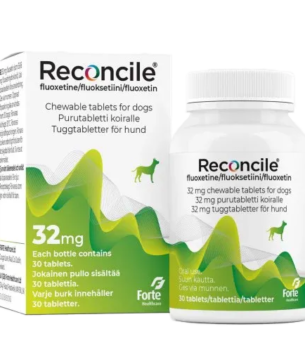
Consequently, many SSRIs (like Fluoxetine) take 4 to 6 weeks to reach a steady state in the brain. Many pet owners ask: “Why isn’t my dog calmer yet?” Patience is vital during the induction phase. Short-term relief can be found in adjunct therapies during this “loading” period.
PAA: Can I give my dog human anxiety medication?
Absolutely not without a specific veterinary prescription. Many human medications contain fillers like Xylitol which are lethal to dogs. Our Neurology & Behavioral Health section only features pet-safe formulations designed for canine and feline metabolism.
4. The Role of Gabapentin in Neuropathic Pain
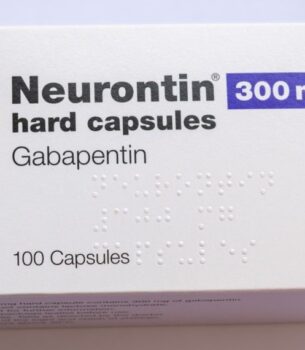
Gabapentin is a versatile tool in the Neurology & Behavioral Health kit. While it treats seizures, its primary use in modern veterinary medicine is for chronic nerve pain and pre-visit sedation for anxious cats.
What are the common side effects of Gabapentin in cats?
Specifically, ataxia (wobbliness) and sedation are common. Experts recommend starting with a low dose at night to allow the nervous system to adapt. Over time, these effects usually subside, leaving only the therapeutic benefit.
5. Understanding Cognitive Dysfunction Syndrome (CDS)
As pets age, they can develop “Dog Dementia” or CDS. This involves the accumulation of beta-amyloid plaques in the brain, similar to Alzheimer’s in humans.
Table 2: Behavioral Drug Class Comparison
| Drug Class | Indication | Example Generic | Mode of Action |
|---|---|---|---|
| SSRI | Long-term Anxiety | Fluoxetine | Serotonin Reuptake |
| TCA | Obsessive Behaviors | Clomipramine | Dual Reuptake Inhibition |
| MAOI | Cognitive Decline | Selegiline | Dopamine Preservation |
FAQ: Are there “Vente Libre” (OTC) options for senior pet brain health?
Yes, supplements containing Omega-3 fatty acids, SAMe, and antioxidants can support brain function. However, for clinical CDS, prescription-strength MAOIs are often necessary to maintain quality of life.
6. The Science of Calm: Using Trazodone for Acute Stress
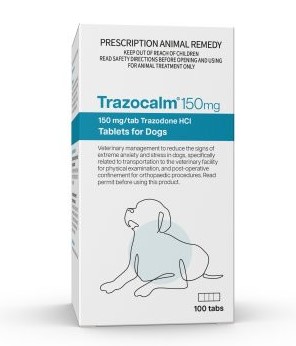
For situational stressors like fireworks or vet visits, Trazodone is a highly effective serotonin antagonist and reuptake inhibitor (SARI). It provides rapid sedation without the long-term commitment of daily SSRIs.
How many hours before an event should I administer meds?
Typically, 90 to 120 minutes is the “sweet spot.” According to the American College of Veterinary Behaviorists, administering the dose before the pet becomes “over-threshold” (already panicked) is significantly more effective.
7. Safety Protocols and Blood Monitoring
Many Neurology & Behavioral Health medications are metabolized by the liver. Therefore, regular blood work is not optional; it is a safety requirement.
Why does my dog need liver tests every 6 months?
Drugs like Phenobarbital can induce liver enzyme changes. Regular monitoring ensures we are using the “Lowest Effective Dose” to protect organ health while controlling neurological symptoms.
8. Behavioral Modification: The Missing Piece
Medication is not a “magic pill.” It is a tool that opens a “window of learning” by lowering the pet’s anxiety levels so that training and counter-conditioning can actually take place.
What are the common errors frequent to avoid in behavior training?
- Punishing an anxious dog for destructive behavior (this increases cortisol and fear).
- Stopping medication abruptly without a tapering schedule.
- Expecting medication to solve boredom-based behaviors.
9. Identifying Neurological Red Flags
Knowing when to seek emergency care can save your pet’s life. “Cluster seizures”—multiple seizures in 24 hours—are a medical emergency that can lead to permanent brain damage.
What does a focal seizure look like?
It can be as subtle as “fly-biting” (snapping at invisible air) or a rhythmic twitch of a single limb. Recognizing these “silent” signals of Neurology & Behavioral Health issues allows for earlier intervention.
10. Feline Idiopathic Hyperesthesia Syndrome
This “skin-rippling” disorder is a unique neurological condition in cats. It often requires a combination of environmental enrichment and anticonvulsant medication to manage the cat’s overactive nerve endings.
Can diet influence feline neurological health?
Most definitely. High-protein, grain-free diets combined with Vitamin B12 supplementation have shown promise in reducing the frequency of hyperesthesia episodes in sensitive breeds.
11. Legalities and Authenticity in Online Pet Meds
When you seek to support your pet’s Neurology & Behavioral Health, the source of your medication matters. Only buy from pharmacies that require prescriptions for controlled substances and provide manufacturer-guaranteed products.
Checklist for a Safe Purchase
- Verify the pharmacy is licensed in the USA.
- Ensure the medication arrives in its original, sealed blister pack or bottle.
- Check the expiration date immediately upon arrival.
- Look for the VPP (Verified Pharmacy Program) seal.
12. Conclusion: Empowering Your Pet’s Mind
The journey through Neurology & Behavioral Health challenges can be long, but you do not have to walk it alone. By combining the latest in pharmaceutical science with compassionate behavioral modification, you are giving your pet the best possible chance at a peaceful and functional life. We are proud to be your partner in this mission, providing the reliable medications and expert knowledge you need to succeed. Remember, every small improvement in your pet’s stability is a victory worth celebrating. Whether you are managing a chronic condition or preparing for a stressful event, the right support makes all the difference. Are you ready to take the next step in optimizing your pet’s mental and neurological well-being today?